
Understanding Community is the Key to Starting a Movement
Here’s how to become better at leading both

Written by Shiyan Boxer
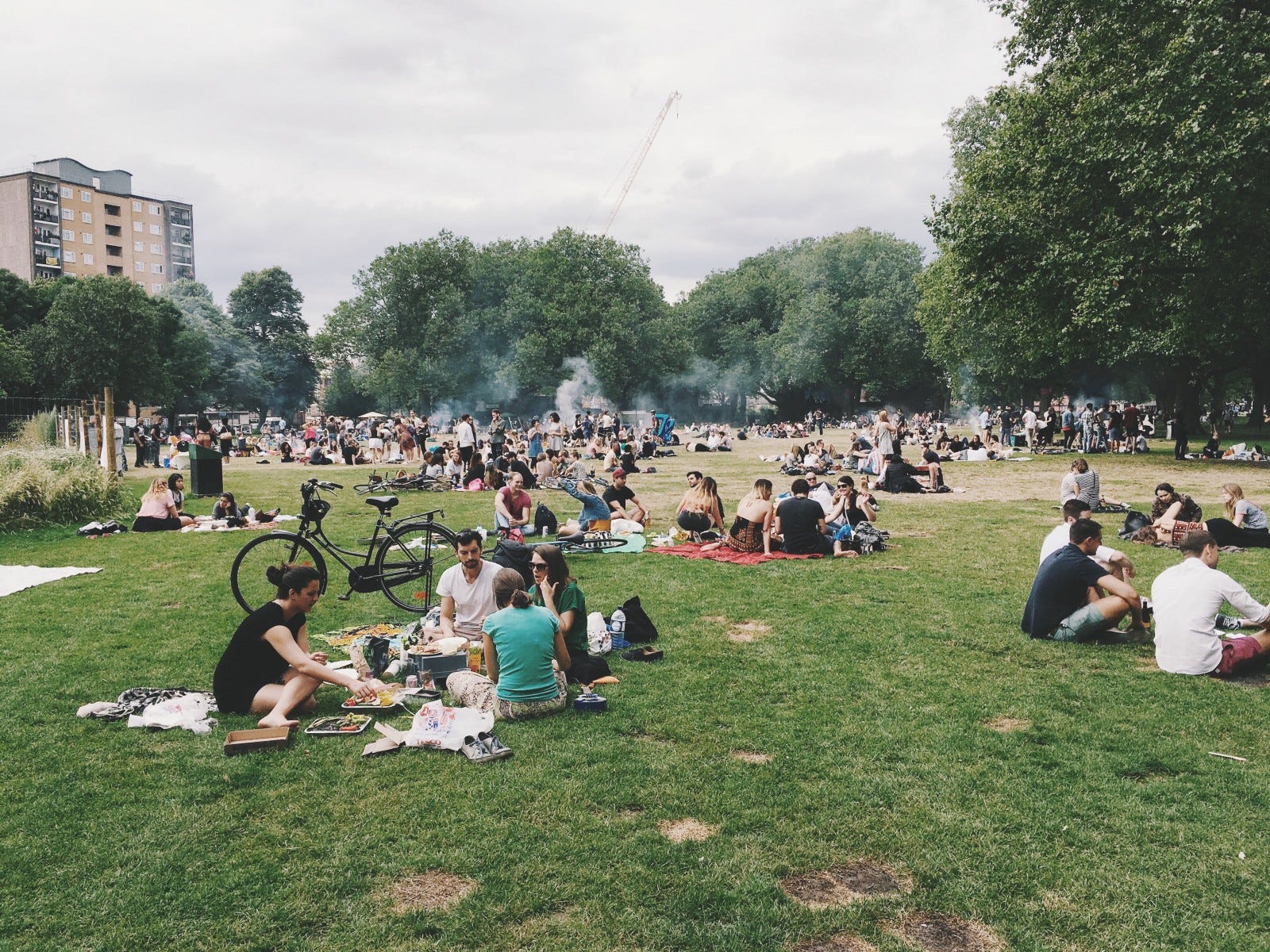
Definition of Community
com·mu·ni·ty
/kəˈmyo͞onədē/
noun
a group of people living in the same place or having a particular characteristic in common.
a feeling of fellowship with others, as a result of sharing common attitudes, interests, and goals.
What Does Community Mean?
A community is an organization of individuals who come together to form a group that shares a common goal or purpose. For a community to survive, grow, and flourish, the individuals must share a set of core principles and/or beliefs.
This means that while individuals within the group may disagree passionately concerning how goals may be achieved, the core values, which provide a moral and ethical compass, are not up for negotiation. It is in this environment that individuals within the community can feel safe to take risks, be leaders and followers to advance the collective goals or purpose of the community.
A healthy community must have healthy relationships where members of the community respect each other and care about the success and welfare of the individuals as well as the group. In a healthy community, this balance between the needs of the individual and the needs of the group is balanced by the core principles and values.
The internal purpose of a community, which involves a code of ethics, respect, and caring for the individuals, is essential and is what differentiates the community from a project or an initiative.
Why Is Purpose Important in a Community?
The purpose of a community is to provide individuals with human interactions and positive relationships, essential for a healthy and productive life. Within a thriving community, individuals find a sense of belonging necessary for personal development, self-actualization, and happiness.
Individuals may belong to many different communities at the same time, for example, their family, their church, their friends, their colleagues or their neighbours. The individual may accept different roles within each community and participate differently in achieving the common purpose, but healthy communities bring people together to support and advocate for each other, in the pursuit of a common and often higher goal.
The purpose or a common goal is crucial to having a strong community. Having a common goal or purpose ultimately increases loyalty, bonds members together, and provides support to members, allowing them to take more risks.
Are Communities Formed or Built?
Communities are built by deliberate and continuous acts to bring people together. A community is more than a group of people or associates that have transactional relationships; I do something for you and you do something for me. A community is built on respectful and trusting relationships based on shared ideals and beliefs.
Building a community takes time, commitment, and work. Relationships must be nurtured through shared core beliefs and genuine problem solving that are meaningful to individuals in the community. Through shared purpose, members form deep and lasting connections. Community bonds are strengthened through shared experiences and an appreciation for each other’s ideas, needs, and welfare.
When building your community, it’s important to be deliberate in your decisions regarding core beliefs and the culture you wish to foster. A strong community must empower individual members while promoting the shared purpose of the group. The needs and desires of the individual and the group must be aligned based on the core principles of the community.
How Does a Movement Start?
A movement starts with a courageous individual prepared to stand out and to risk rejection and ridicule to bring forward an innovative idea or belief. However, a leader must have followers for a movement to start and accelerate.
One cannot underestimate the courage of the first follower who sees value in the leader’s idea and adds legitimacy by putting his efforts behind the leader. It’s essential that the leader embraces the first follower and is prepared to share his idea and his authority.
As courageous early followers join the movement, the risk of joining is mitigated and there is a snowball effect. As the movement grows, more and more people will want to be part of the group.
This momentum drives the movement to a tipping point where there is an intense incentive to join. In fact, those who remain outside of the movement are now at risk of ridicule and seen as having been left behind.
Lessons on Starting a Movement
teaching self-defence to women around her, Rana started a grassroots movement empowering Muslim women by building a community with a shared purpose, common interests, and a shared value system. Rana’s community offers much more to the women involved than simply learning karate.
The community provides a safe place to meet with like-minded individuals to share ideas, thoughts, fears, and problem-solve together. The community empowers women through friendship and commitment to the growth and wellbeing of its members.
Lesson 1: Start with what you know
Use developed knowledge and skills to identify a problem or need that requires a solution that you can contribute to or provide. Through personal experience, Rana identifies and understands that young women, practicing Muslims wearing the hijab, in particular, are victims of persecution and violent acts that threaten their wellbeing. Rana applies her already established and in-depth knowledge of self-defence to start a movement that is more than the sum of its parts. It’s a self-defence program that promotes a community of women to become empowered.
Lesson 2: Start with who you know
Rana began her movement with women she knew who were part of her Muslim community. The early followers would provide legitimacy to the movement and would grow the community by bringing in people from their individual communities to share in the movement, the experience, and benefit from the empowerment. The movement expands to include many women experiencing similar problems and difficulties from a wide variety of cultures, cities, and even countries. This is the snowball effect of a great movement taking off.
Lesson 3: Start with joy
Your endeavour must be meaningful to you and bring you joy if you are to inspire and lead a movement. The joy is in the pursuit of something greater than yourself. It’s in the relationships and the connections that your community builds. Rana’s movement started with the problem of visual minority women being the victims of harassment and violence, but the movement is about something positive and empowering. There’s joy in taking action with your community to solve a problem. The relationships and the empowerment are joyful and perpetuate and grow the movement.
How did these community classes grow to become a global grassroots network?
The MALIKAH community grew because of the success of its core values and beliefs. It’s a supportive network of women who reach out to their communities to bring friends, colleagues, neighbours, family members, etc., all of whom have experienced the same concerns regarding their safety and are eager to share their feelings and become empowered within the MALIKAH community. The movement grows because of the relationships.
Final Thoughts
A community is not only a group of people who share common interests and goals, but who feel a strong sense of belonging. Communities are essential for businesses to thrive, ideologies to prosper, and to start a movement.